From the blackened silver shimmer of Bidriware to the heady perfume of Mysore Mallige, Karnataka carries its identity in objects, flavours and fabrics that cannot be made anywhere else on earth. That uniqueness is formally protected through the Geographical Indication (GI) tag — a legal mark that certifies a product’s origin, authenticity and the traditional know-how of the community that makes it. Today Karnataka is home to roughly 46 to 49 registered GI products, one of the richest collections in India. For Kannadigaru living in Germany, these tags are more than trivia — they are a portable piece of home. Here is a guided tour, grouped into four families.
India introduced GI protection in 2003, and Karnataka was quick to register its icons — Mysore Silk and Mysore Sandalwood were among the earliest names on the national register. A GI tag does three things at once: it guards a region’s reputation from cheap imitations, it gives artisans and farmers a fair market for their skill, and it preserves knowledge that might otherwise fade with a single generation. Seen that way, each entry below is a small act of cultural conservation.
a) Handicrafts & Metalwork
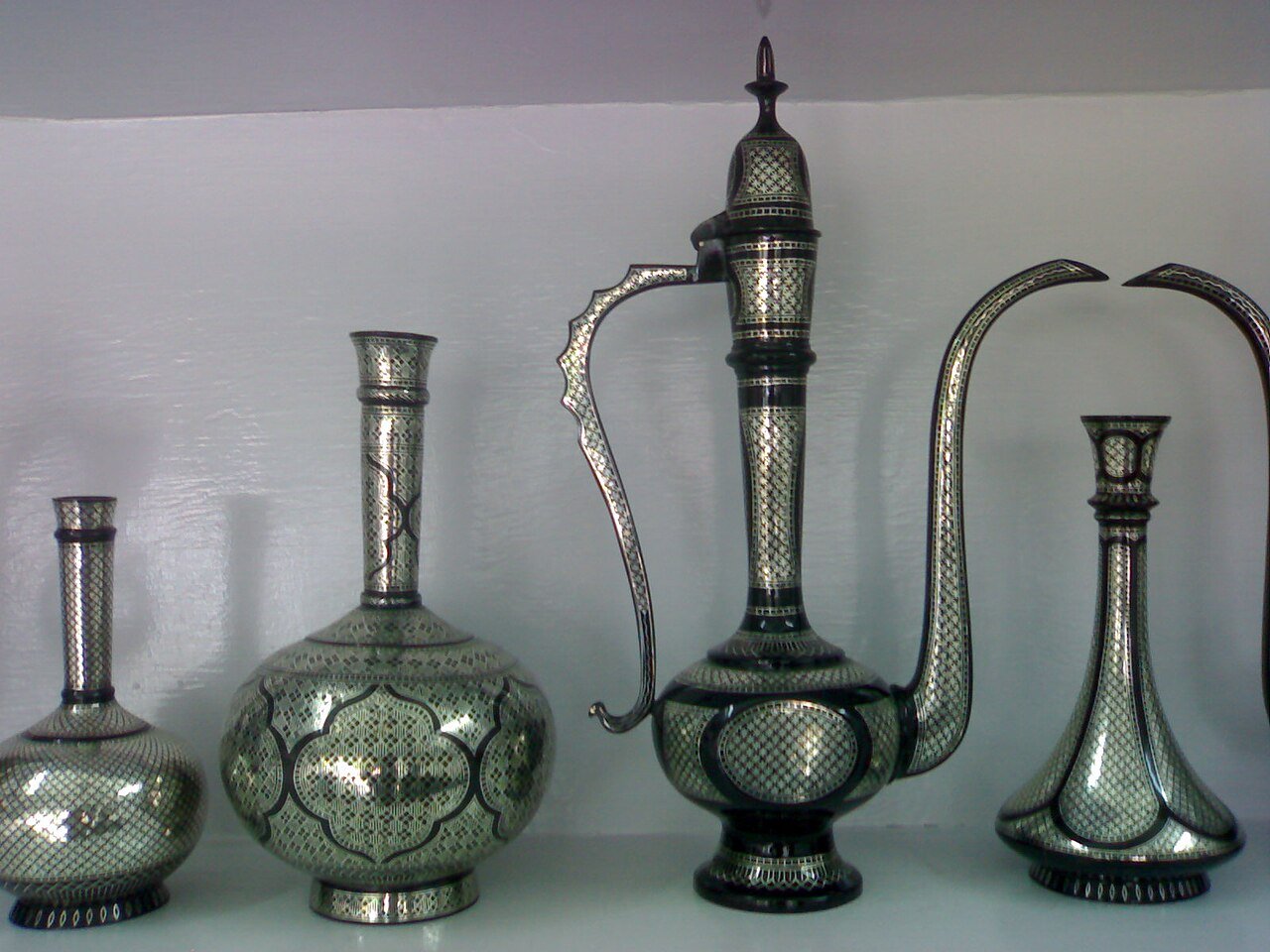
Karnataka’s artisan traditions are the crown jewels of its GI list. Bidriware, born in Bidar, is a stunning metalwork art where pure silver is inlaid into a blackened zinc-copper alloy to create vases, hookahs and jewellery boxes with a velvety dark finish. Its cousin in metal is Karnataka Bronzeware, prized for temple lamps and idols cast with centuries-old techniques.
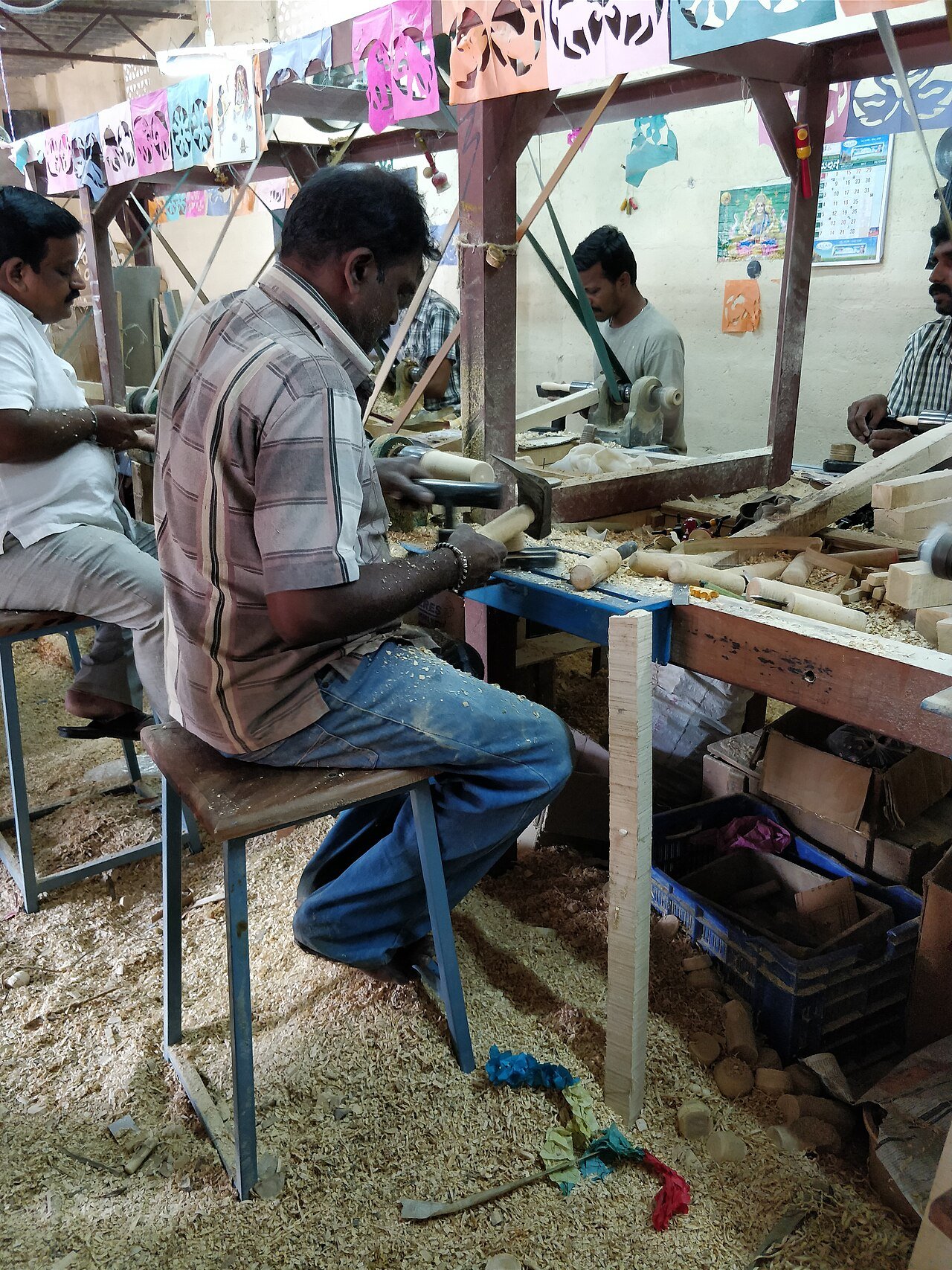
Wood and colour tell the rest of the story. The cheerful, child-safe lacquered Channapatna Toys and Dolls — often called the “Gombegala Ooru” (town of toys) craft — sit beside the rustic Kinhal Toys of Koppal, the intricate Mysore Rosewood Inlay, and the gold-leaf luminosity of Mysore Traditional Paintings. Needle arts complete the family with the geometric Kasuti Embroidery and the mirror-and-thread brilliance of Sandur Lambani Embroidery. Behind each of these crafts stands a cluster of villages where the skill passes from parent to child, which is exactly what the GI tag is designed to safeguard.
b) Agricultural
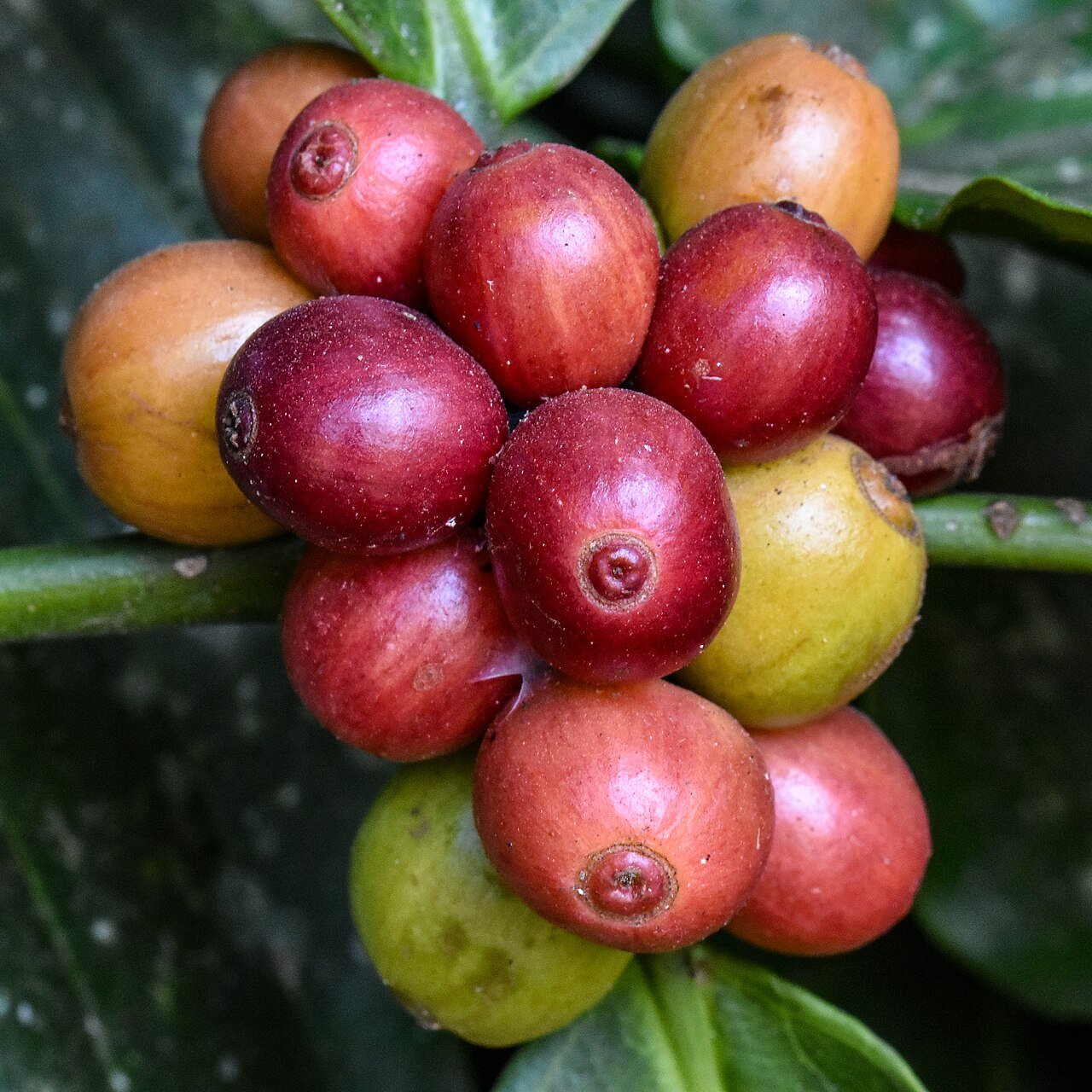
Karnataka’s soil and climate give the world some unforgettable produce. The state is India’s coffee capital, and that heritage is protected across three distinct GI tags: Coorg Arabica Coffee, Chikmagalur Arabica Coffee and Bababudangiris Arabica Coffee — the hills where coffee first entered India centuries ago.
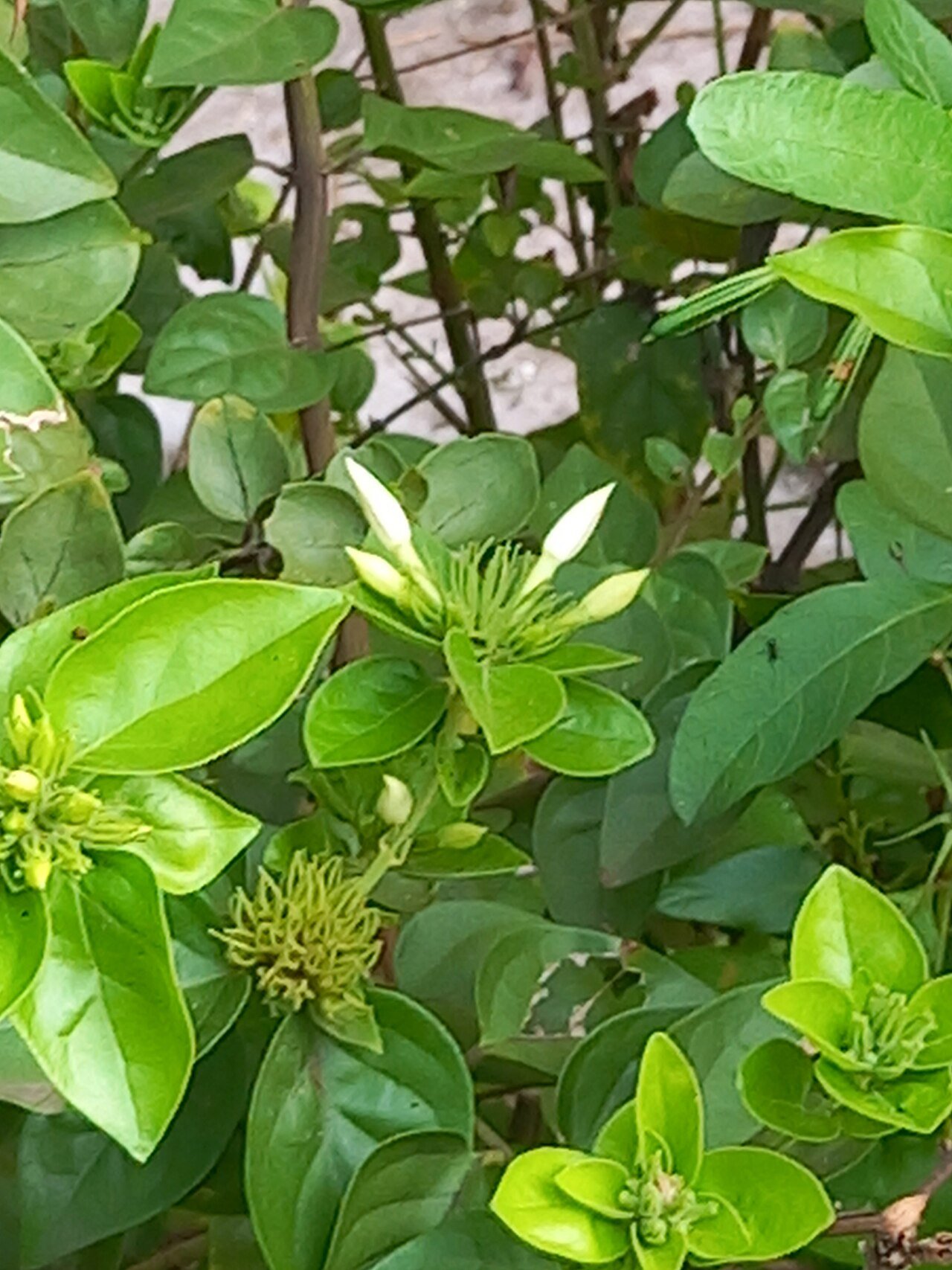
Spice and fruit follow close behind. The deep-red, mild-heat Byadagi Chilli colours curries across the country, while Coorg Green Cardamom perfumes sweets and masala chai. The orchards give us Appemidi Mango (the prized pickling mango), Kari Ishad Mango, Nanjanagud Banana, Kamalapur Red Banana and the fragrant Devanahalli Pomelo. Add the Udupi Mattu Gulla Brinjal, Bangalore Blue Grapes, Bangalore Rose Onion, Sirsi Supari, Gulbarga Tur Dal, Coorg Orange and the legendary jasmine trio — Mysore Mallige, Udupi Mallige and Hadagali Mallige — and you have a farmer’s almanac of Karnataka in a single list.
c) Food & Textile Stuff
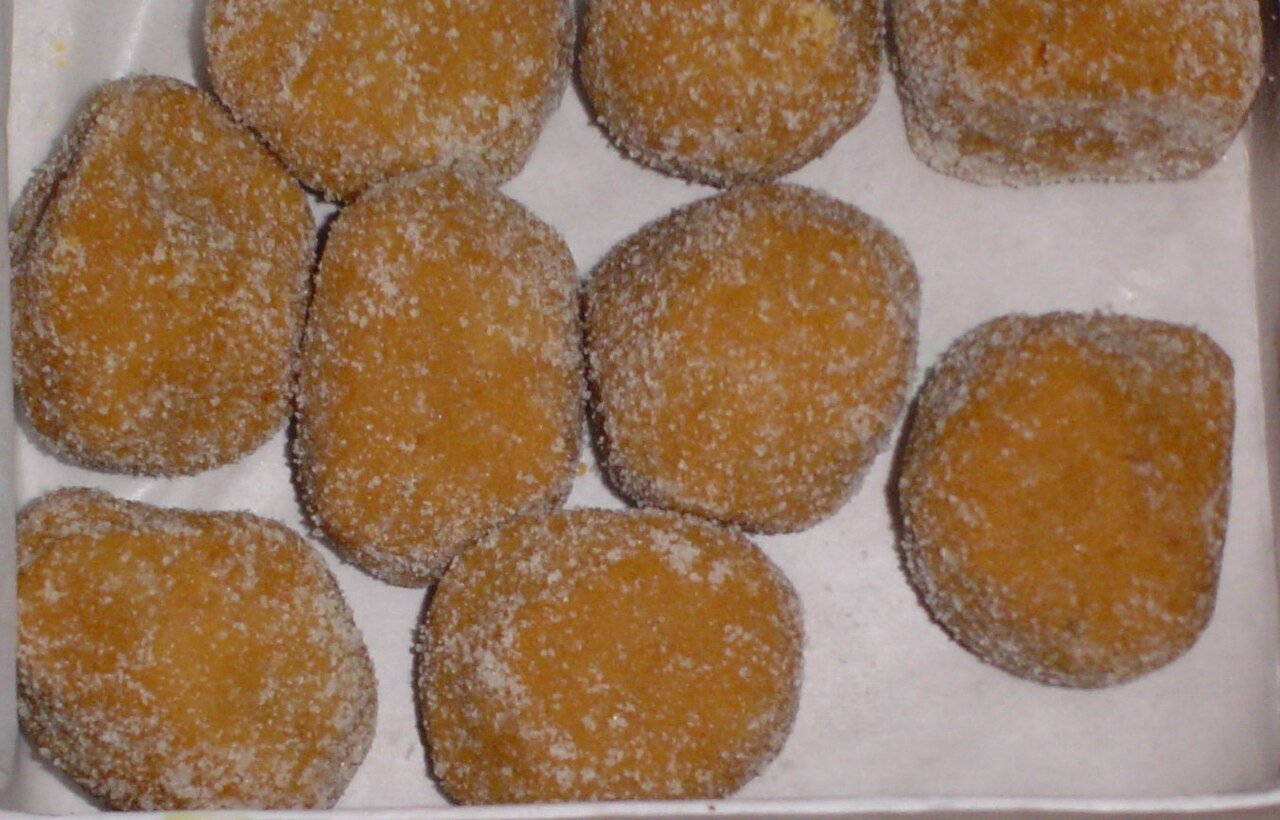
On the plate, one sweet stands tall: the caramel-rich Dharwad Pedha, a milk delicacy whose recipe has been guarded by the same families for over 175 years. But Karnataka’s GI wardrobe is just as famous. The state’s weaving towns have earned a remarkable cluster of textile tags: the royal, gold-bordered Mysore Silk; the everyday-elegant Ilkal Sarees; the earthy Molakalmuru Sarees; the coastal Udupi Sarees; and the striking Guledgudd Khana blouse fabric.
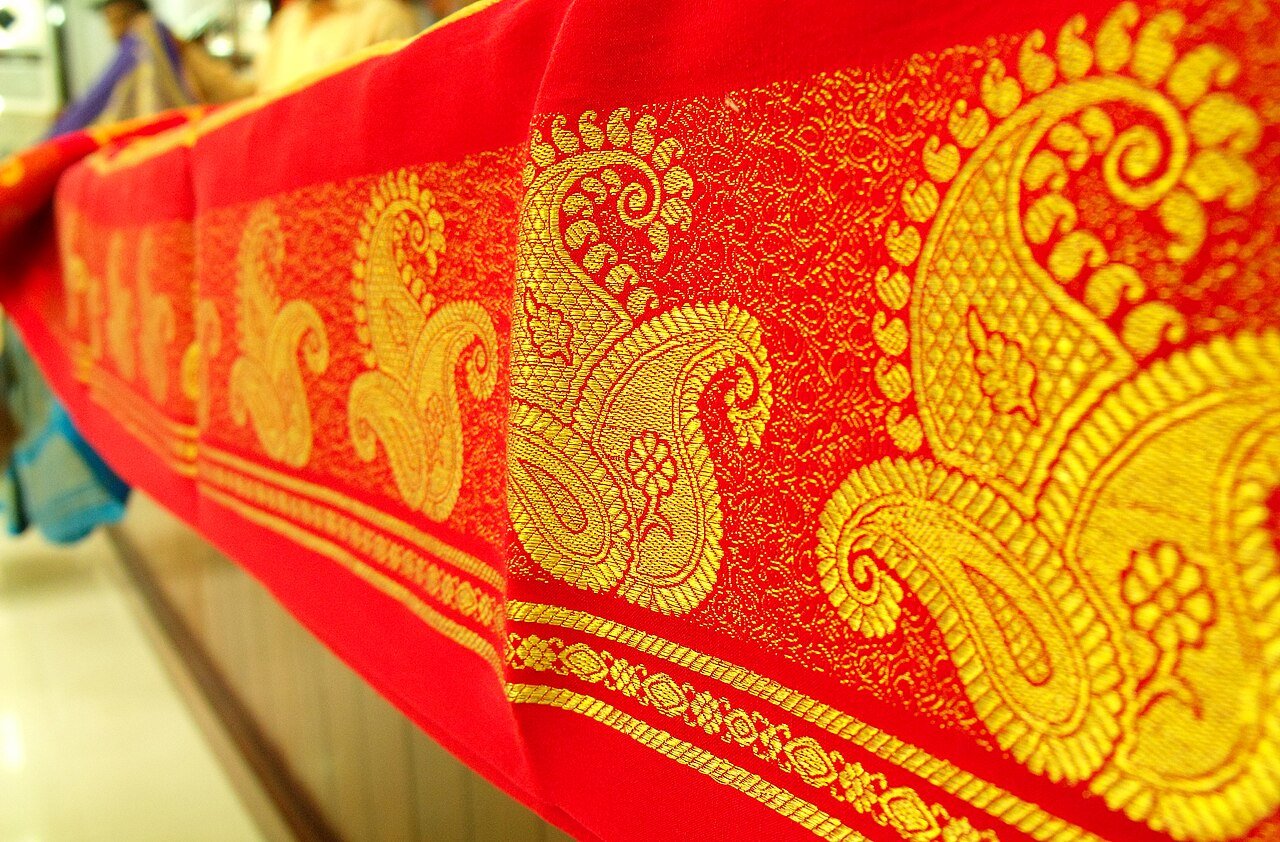
Each weave tells a regional story — the pallu motifs of Ilkal, the temple borders of Molakalmuru, the understated cotton-silk of Udupi. Draped at weddings and festivals from Bengaluru to Berlin, these sarees keep Karnataka’s loom alive far beyond its borders.
d) Manufactured
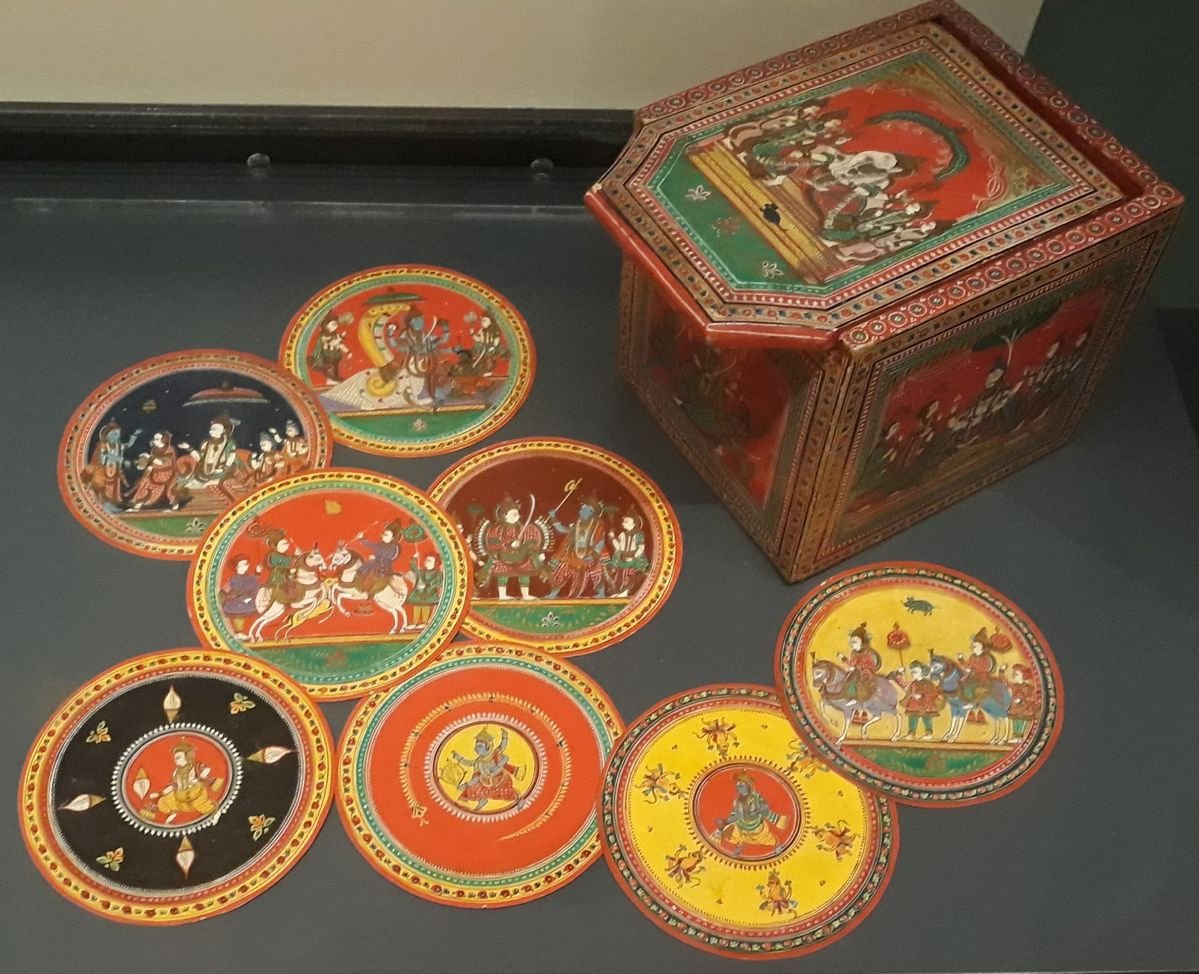
The final family celebrates products shaped by skilled hands into finished goods. The exquisite, hand-painted circular Ganjifa Cards of Mysore once entertained royal courts and remain a living miniature-art form, each deck painted by hand with scenes from mythology. The flat-woven Navalgund Durries — bold, reversible cotton rugs made by women weavers of Dharwad district — bring Karnataka’s geometry to the floor. These crafts sit at the meeting point of art and industry: produced in modest workshops, yet refined enough to hang in museums. Together they prove that a GI tag protects not just a raw material, but an entire chain of craftsmanship, design and community livelihood — and the income of thousands of rural families who keep these skills alive.
Why this matters to us
Every GI tag is a promise: that when you buy a Mysore Silk saree, a packet of Byadagi chilli or a Channapatna toy, you are supporting a real Kannada community and an authentic tradition — not a factory imitation. For Kannadigaru in Germany, these 46-plus treasures are a wonderful way to share our heritage with new friends: gift a Bidri keepsake, brew some Coorg coffee, or wear Ilkal to the next Rajyotsava gathering. Which Karnataka GI product do you miss the most? Tell us in the comments — and watch this space for deep-dive stories on each one.
0 Comments